Interior vs Exterior Waterproofing Methods Explained
People seeking interior and exterior waterproofing aim to prevent water damage and mold by choosing the right method, with local contractors ready to provide expert solutions.
Understanding the differences between interior vs exterior waterproofing methods explained can be a valuable step for property owners looking to protect their investments. Whether dealing with basement moisture issues, foundation concerns, or preventing water intrusion, knowing which approach suits specific needs is essential. This page is designed to help readers explore practical reasons for considering different waterproofing options, especially for properties in the local area where weather patterns and soil conditions can influence the best solution. By gaining insights into these methods, property owners can make informed decisions and better prepare their homes or buildings for potential water-related challenges.
Local contractors specializing in waterproofing services offer a range of solutions tailored to individual property requirements. They can assess whether interior or exterior waterproofing methods are more appropriate based on the structure’s design and environmental factors. As you explore this topic, keep in mind that the right approach can help prevent costly repairs and maintain a safe, dry environment. Continuing to read will provide a clearer understanding of how these waterproofing methods work and how trusted service providers in the area can assist in implementing the most effective solution for your property.
- Interior waterproofing - is often needed when basement leaks occur inside the home, and local contractors use methods like sealants and interior drainage systems.
- Exterior waterproofing - is typically chosen to prevent water intrusion before it reaches the foundation, with pros applying waterproof membranes or drainage solutions outside.
- Interior waterproofing - can be suitable for addressing existing moisture issues and is often quicker to install in finished spaces, handled by experienced service providers.
- Exterior waterproofing - is a comprehensive approach that involves excavating around the foundation, with local contractors focusing on long-term moisture prevention.
- Interior waterproofing - is ideal for targeting specific interior leaks and dampness, with local pros customizing solutions based on the interior space layout.
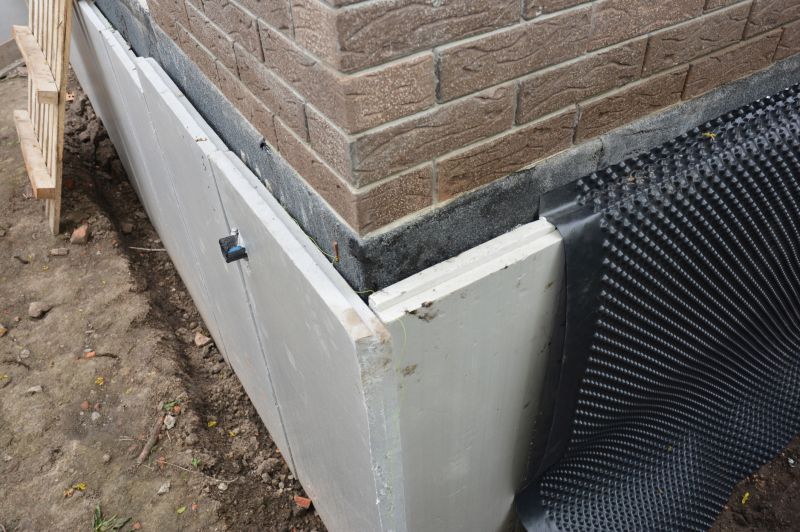
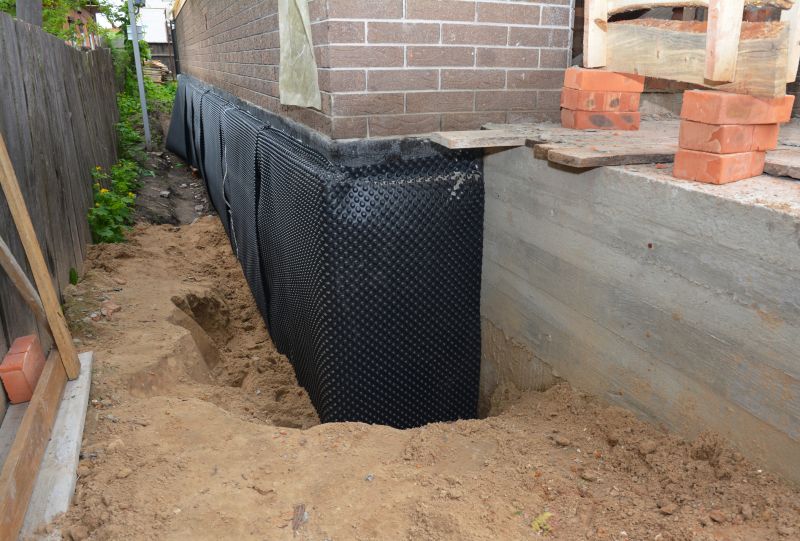
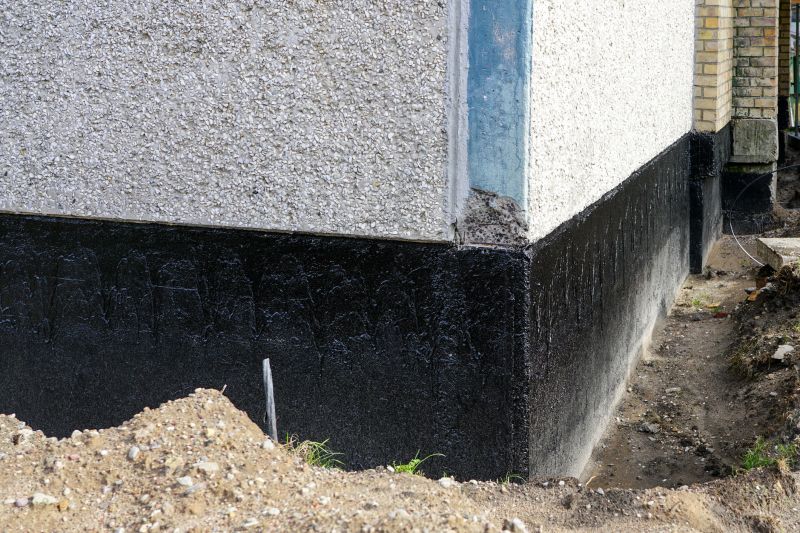
When homeowners search for information about interior vs exterior waterproofing methods explained, they are typically seeking to understand the options available for preventing water intrusion in their properties. This topic often comes up when addressing issues like basement leaks, damp walls, or foundation concerns. People may be planning a renovation, fixing ongoing water problems, or proactively protecting their home from potential water damage. The goal is to find the most effective way to keep moisture out of living spaces or structural elements, which can influence decisions on whether to focus on sealing from the inside or applying barriers from the outside.
The problems related to interior vs exterior waterproofing methods explained usually involve water seepage, high humidity, mold growth, or structural deterioration caused by moisture. Homeowners may be dealing with basement flooding, efflorescence on walls, or cracks in foundation walls that allow water to penetrate. These issues can impact property value, safety, and comfort. Many planning projects also include waterproofing as part of foundation repair or remodeling efforts, making it essential to understand which method suits their specific circumstances best. Local service providers familiar with both interior and exterior approaches can assess the property and recommend solutions that address these problems effectively.
Properties that typically come up in discussions about interior vs exterior waterproofing methods explained include basements, crawl spaces, foundation walls, and below-grade structures. These areas are most vulnerable to water intrusion because they are in contact with the ground, where moisture levels are high. Residential homes, especially those with older foundations or poor drainage systems, often require waterproofing treatment. Commercial buildings, garages, and even retaining walls may also benefit from these methods, depending on their design and location. Understanding the type of property helps homeowners identify which waterproofing approach aligns with their needs and how local contractors can implement suitable solutions.
Ultimately, interior vs exterior waterproofing methods explained is about choosing the right approach for the property’s specific conditions and water issues. Interior waterproofing involves sealing walls and floors from inside the building, often using coatings, membranes, or drainage systems to manage moisture that has already entered. Exterior waterproofing focuses on creating barriers before water reaches the foundation, such as applying waterproof coatings, installing drainage systems, or excavating to access and treat the foundation exterior. Local service providers skilled in both methods can help homeowners evaluate their property, determine the most suitable waterproofing strategies, and carry out the necessary work to protect their home from water damage.
Basement Waterproofing Projects - These projects often involve both interior and exterior methods to prevent water intrusion, requiring skills in planning, sealing, and drainage systems that local contractors can provide.
Foundation Repair Jobs - Repairing foundation issues related to water damage involves understanding waterproofing techniques and utilizing similar tools used in interior and exterior waterproofing services.
Retaining Wall Construction - Building retaining walls requires knowledge of waterproofing principles to protect structures from water pressure, aligning with skills used in waterproofing methods.
Crawl Space Encapsulation - Encapsulating crawl spaces involves sealing and moisture control techniques comparable to interior waterproofing methods, with local pros handling the installation.
Driveway and Patio Drainage Projects - Proper drainage solutions for outdoor surfaces rely on planning and waterproofing principles similar to exterior waterproofing services.
Waterproofing for Commercial Buildings - Large-scale waterproofing projects for commercial properties demand expertise in both interior and exterior methods, utilizing similar tools and planning strategies as residential waterproofing.
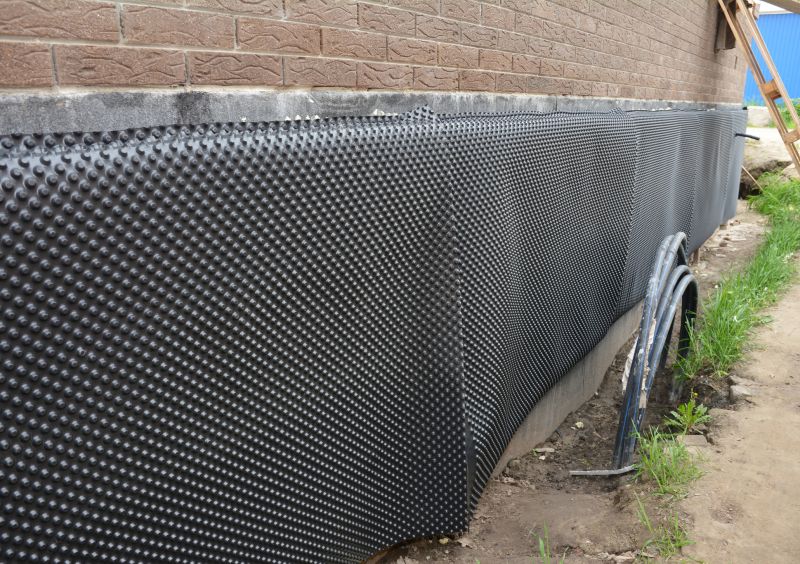
When comparing local contractors for interior vs exterior waterproofing methods, it is important to consider their experience with similar projects. Homeowners should inquire about the types of waterproofing work the service providers have completed in the past, especially those involving the specific approach they are considering. Contractors with a proven track record in handling both interior and exterior waterproofing projects are more likely to understand the nuances of each method, including the advantages and limitations of each. This experience can help ensure that the chosen approach aligns with the unique needs of the property and provides a more effective solution to moisture issues.
Clear written expectations are essential when evaluating local service providers for waterproofing services. Homeowners should seek detailed proposals that outline the scope of work, materials to be used, and the steps involved in the project. Transparent communication about what each waterproofing method entails can help set realistic expectations and avoid misunderstandings. A reputable contractor will be able to clearly explain the differences between interior and exterior waterproofing, including potential impacts on the property, and will be willing to provide comprehensive information to help homeowners make informed decisions.
Reputable references and good communication are vital factors when selecting local contractors for waterproofing work. Homeowners should ask for references from past clients who have had similar projects completed, particularly those involving interior or exterior waterproofing. This feedback can provide insights into the contractor’s reliability, quality of work, and ability to communicate effectively throughout the project. Consistent and clear communication from the service provider ensures that homeowners remain informed about progress, questions are addressed promptly, and any concerns are managed professionally. These qualities contribute to a smoother experience and a more successful waterproofing outcome.
Property owners often search for interior vs exterior waterproofing methods explained when they are planning practical projects around their homes and businesses. Local pros provide Interior and Exterior Waterproofing services for everyday jobs and straightforward project options.
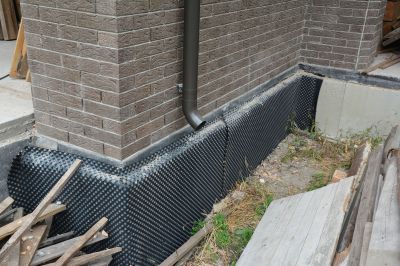
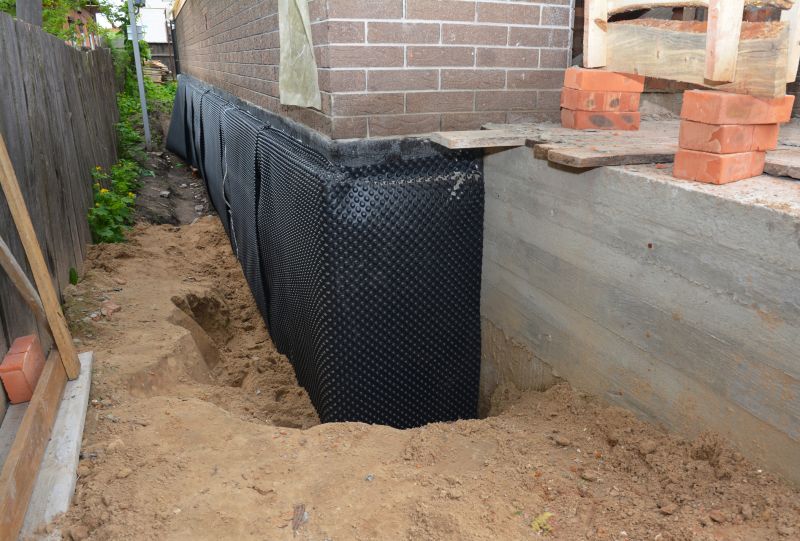
Homeowners in the area often look up interior vs exterior waterproofing methods explained when they notice signs of moisture or water intrusion in their basements or crawl spaces. These issues can arise from heavy rains, poor drainage, or aging foundation materials, prompting property owners to seek solutions that protect their homes. When considering waterproofing, many turn to local contractors who specialize in these services to understand the differences between interior and exterior approaches and determine which method best addresses their specific needs.
Interior waterproofing services typically involve installing drainage systems, sealants, or vapor barriers inside the foundation or basement to prevent water from seeping through walls or floors. Exterior waterproofing, on the other hand, focuses on treating the outside of the foundation by applying waterproof coatings, installing drainage boards, or improving grading and drainage around the property. Local service providers can assess the situation and recommend the most effective method, whether that’s interior or exterior waterproofing, to help keep basements dry and protect the structure from water damage.
What is the main difference between interior and exterior waterproofing methods? Interior waterproofing involves applying barriers or sealants inside the building to prevent water from penetrating, while exterior waterproofing focuses on treating the outside foundation surface to block water before it reaches the structure. Local contractors can help determine which approach suits specific needs.
When should interior waterproofing be considered over exterior methods? Interior waterproofing is often used when exterior access is limited or when existing waterproofing needs reinforcement. Local service providers can assess the site and recommend the most effective solution based on the building’s condition.
Are exterior waterproofing methods more effective than interior options? Exterior waterproofing generally provides a more comprehensive barrier against water intrusion by addressing the source outside the foundation. However, local pros can evaluate the situation to suggest the best approach, which may involve a combination of both methods.
Can interior waterproofing be combined with exterior waterproofing? Yes, many projects benefit from a combination of interior and exterior waterproofing to maximize protection. Local contractors can design a waterproofing plan tailored to the property’s specific needs.
What types of waterproofing services do local contractors typically offer? Local service providers offer a range of interior waterproofing services such as sump pump installation and interior sealants, as well as exterior options like foundation coatings and drainage systems, to effectively prevent water damage.
Assessing Waterproofing Needs - Property owners can evaluate areas prone to moisture issues to determine whether interior or exterior waterproofing services from local contractors are more suitable.
Choosing the Right Method - Homeowners might decide between interior and exterior waterproofing based on the specific foundation concerns and consult local pros for tailored solutions.
Planning for Long-Term Protection - Planning a waterproofing project involves selecting appropriate materials and techniques, which local service providers can advise on for lasting results.
Implementing Waterproofing Solutions - Property owners can coordinate with local contractors to carry out interior or exterior waterproofing methods that best address their property's moisture challenges.
If you are thinking about interior vs exterior waterproofing methods explained for a property, this guide is meant to help you understand this topic, the typical project types, and how different options might fit your plans.
When you are ready, you can use the quote form on this page to share a few details about your project. From there, local pros can review the basics and follow up with options that match what you have in mind.